Free-Living Diazotrophs In Soil

The terrestrial nitrogen (N) cycle is essential for the Earth’s biosphere and intimately linked by microbial activity. Understanding the microorganism…

One gram of soil contains over a million microorganisms, yet much of their function remains unknown. Stephanie started studying soil microbes during her PhD at Michigan State University, and continued as a postdoc at Los Alamos National Lab, and scientist at the Joint BioEnergy Institute (USA). Since joining the University of Vienna in 2012, she has been investigating soil microorganisms (Acidobacteriota) via cultivation, ‘omics methods and metabolic process measurements. She is currently exploring atmospheric gas oxidation as a means of survival during periods of energy limitation, as well as factors governing the use of different terminal oxidases in soil microbes, which may underpin their physiological flexibility.
Exploring microbial physiology has been a central part of my research for many years, with particular emphasis on members of the Acidobacteriota. The Acidobacteriota are ubiquitous across soils worldwide and comprise a monophyletic bacterial phylum of astonishing diversity. Their common occurrence and high abundance based on ribosomal gene sequences suggest that they are likely a major component of the soil microbial community and play ecologically significant roles in soil processes. Yet, their functions remain largely unknown due to the limited number of cultivated representatives and a paucity of information on their genetic potential. Overall, my goal is to elucidate the ecophysiology and therefore the success and ubiquity of Acidobacteriota in soils. To achieve this goal, we use a combination of genomics, transcriptomics, growth-based experiments, enzyme kinetics and molecular analyses to identify key features in acidobacterial strains. In addition, we continuously thrive to isolate new members of the Acidobacteriota.

Soils represent habitats with unpredictable conditions for microorganisms, often confronting them with suboptimal conditions for growth. As such, up to 80% of soil microorganisms are assumed to be in a state of non-growth or ‘dormancy’ – a state with low metabolic activity enabling long-term persistence. In many soil systems, microorganisms alter between ‘dormant’ and active states, presumably as a means of survival. It is believed that the state of ‘dormancy’ helps to maintain the extensive biodiversity in soils, with estimates ranging from 1,000- 1,000,000 species per gram of soil. Atmospheric gas oxidation, such as molecular hydrogen, has been proposed as a means to generate energy during periods of carbon limitation. It is believed to be a widespread survival strategy that contributes to bacterial persistence. Using a combination of genomics, transcriptomics, growth-based experiments, enzyme kinetics and molecular analyses, we are exploring this physiology in model organisms and in temperate and desert soils.

Soil is a plentiful source of microbial life. Yet only a small fraction of the total microbial community has been cultivated. Since my PhD, I have been fascinated with cultivating “yet-to-be-cultivated” microorganisms and find the outcomes of such experiments extremely rewarding as one can better investigate the potential of the microorganism in the laboratory. I have developed novel methods to isolate, detect and subsequently culture elusive soil microorganisms – such as members of the phylum Acidobacteriota, being one of the first researchers to do so.

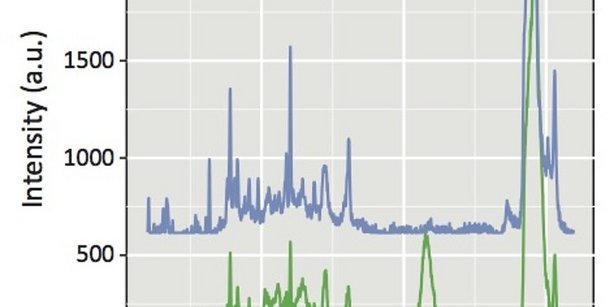
One aspect of my research is to investigate the active participants in microbial processes at the single-cell level to confirm their activity and to gain additional information at this scale. As such, we are developing pipelines and are optimizing tools that permit the analysis of our targeted processes down to the single-cell level, such as FISH, NanoSIMS and Raman microspectroscopy combined with stable isotope tracers (such as 13C, 15N and D) in complex systems, such as soil.
Some of our developments have been highlighted by the Joint Genome Institute, Science Highlights: A Single-Cell Pipeline for Soil Samples.


The terrestrial nitrogen (N) cycle is essential for the Earth’s biosphere and intimately linked by microbial activity. Understanding the microorganism…

Soils encompass a large area on Earth, which is home to a multitude of our planet’s biodiversity including a vast number of bacterial, archaeal and…

Soils contain the largest pool of carbon (C) on Earth with cellulose being the most abundant polymer, as it is a key component of plant structural C.…
Stephanie has participated in several summer workshops to the Kinderuni (www.kinderuni.at) at the University of Vienna, a 3-day workshop for students at the American International School (Vienna, Austria) and several workshops at the Centre for Microbiology and Environmental Systems Science for children between the ages of 7 and 12.
Samrat R, Salas E, Fuchslueger L, Schmidt H, Gorfer M, Schagerl M et al. High-resolution lipidomics for decoding the soil biome: Improved lipid annotation, quantitation, and response to climate stress. Soil Biology and Biochemistry. 2025 Jun;209:109892. doi: 10.1016/j.soilbio.2025.109892
Imminger S, Meier DV, Schintlmeister A, Legin A, Schnecker J, Richter A et al. Survival and rapid resuscitation permit limited productivity in desert microbial communities. Nature Communications. 2024 Dec;15(1):3056. Epub 2024 Apr 17. doi: 10.1038/s41467-024-46920-6
Trojan D, García-Robledo E, Hausmann B, Revsbech NP, Woebken D, Eichorst SA. A respiro-fermentative strategy to survive nanoxia in Acidobacterium capsulatum. FEMS microbiology ecology. 2024 Nov 18;100(12):fiae152. doi: 10.1093/femsec/fiae152
Dietrich M, Panhölzl C, Angel R, Giguere AT, Randi D, Hausmann B et al. Plant roots affect free-living diazotroph communities in temperate grassland soils despite decades of fertilization. Communications Biology. 2024 Jul 11;7(1):846. doi: 10.1038/s42003-024-06522-w
Salas E, Gorfer M, Bandian D, Eichorst SA, Schmidt H, Horak J et al. Reevaluation and novel insights into amino sugar and neutral sugar necromass biomarkers in archaea, bacteria, fungi, and plants. Science of the Total Environment. 2024 Jan 1;906:167463. Epub 2023 Oct 5. doi: 10.1016/j.scitotenv.2023.167463